 Zhejiang Rsafele Electric Co., Ltd.
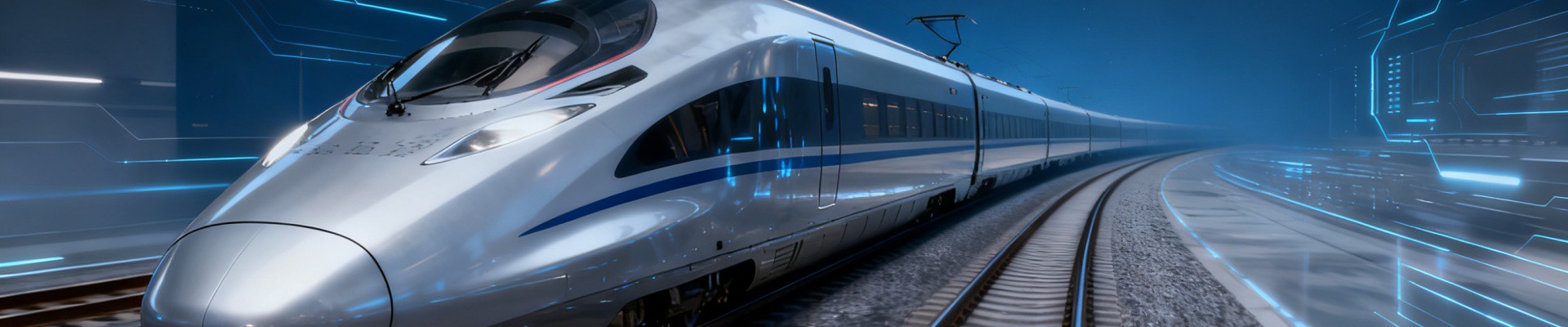
Traction Transformers - Powering the Future of Rail
As rail emerges as the future of mobility, the traction transformer stands as the core component that makes it possible.
The recent era of globalization, while generating considerable prosperity and innovation, has concurrently given rise to new global difficulties. The transportation sector, for instance, accounts for roughly a quarter of global CO₂ emissions. To drastically reduce this footprint without sacrificing flexibility, we must future-proof our mobility systems by making them sustainable. The most effective path to achieving this is the adoption of electric rail transport powered by renewable energy.
I. The Importance of Rail Transit in Today's Society
Promoting Economic Development and Urbanization:
Rail transit is the cornerstone of modern society. It provides efficient travel solutions, facilitates regional logistics flow, accelerates urbanization and economic development, and has become a preferred choice in many urban transportation strategies due to its efficiency and sustainability.
Supporting Environmental Protection and Sustainable Development:
Against the backdrop of growing global environmental awareness, rail transit features low energy consumption and low emissions. Its power systems, optimized via modern transformer technology, help reduce urban carbon footprints. Additionally, it promotes the adoption of renewable energy, aligning with sustainable development goals.
II. The Importance of Transformers in Rail Transit Construction
Power Transmission and Safety Assurance:
Transformers are crucial in rail transit power systems, transmitting electricity from stations to rail networks. They reduce energy losses via voltage adjustment, ensuring stable power supply. Their performance and reliability are critical, as efficient power transmission boosts system operational efficiency and relates directly to passenger and train safety.
System Redundancy and Reliability:
The complexity of rail transit brings diverse electricity demands, making transformer redundancy (e.g., segmented transformers) key for operational safety. Segmented designs enable power isolation, preventing faults in one section from affecting others. This enhances overall system reliability and service continuity, supporting smooth operation under high loads.
III. Various traction transformers applied in the field of rail transportation
1. Classification by Installation Location
Applications: Used in high-speed rail (e.g., China's CRH series), subways, and light rail systems.
Advantages: Reduces reliance on ground substations and is ideal for long-distance power supply.
Advantages: Offers high capacity, easier maintenance, and suitability for centralized power supply.
2. Classification by Voltage Level & Power Supply System
(1) AC Traction
Transformer
Supply Voltage: 25 kV (global standard), 15 kV (parts of Europe), 50 kV (selected heavy-haul lines).
Characteristics: Connects directly to high-voltage AC grids, resulting in a simpler design.
(2) DC Traction
Transformer
Supply Voltage: 1.5 kV or 3 kV (primarily on legacy DC rail systems).
Characteristics: Requires rectification equipment; typical in older railways and urban metro networks.
(3) AC-DC-AC Traction Transformer
Characteristics: Combines rectifier and inverter stages for use in modern EMUs like China's "Fuxing" trains.
Advantages: Offers broad grid compatibility and enhanced energy efficiency.
IV. SCOTECH Traction Transformers: Engineering Superiority for Demanding Railway Applications
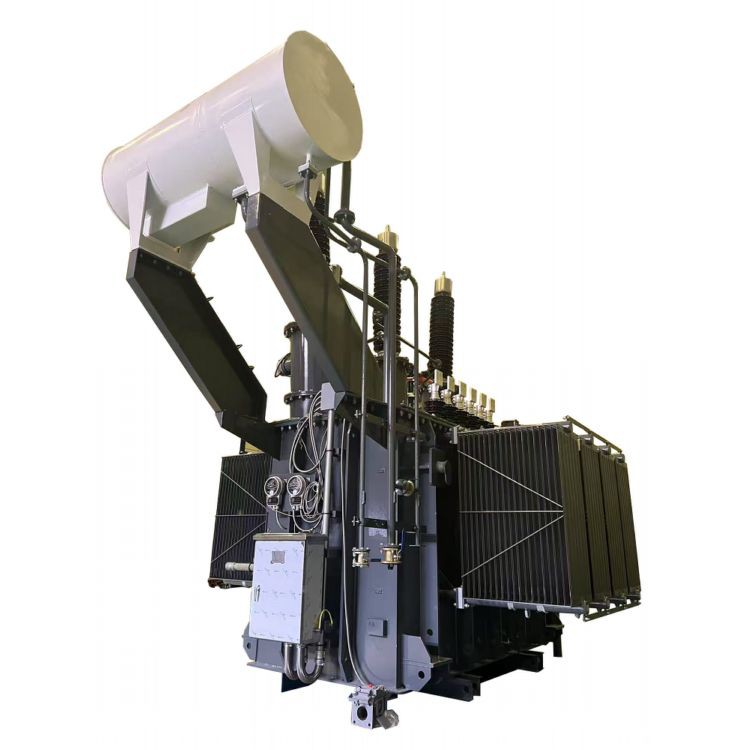
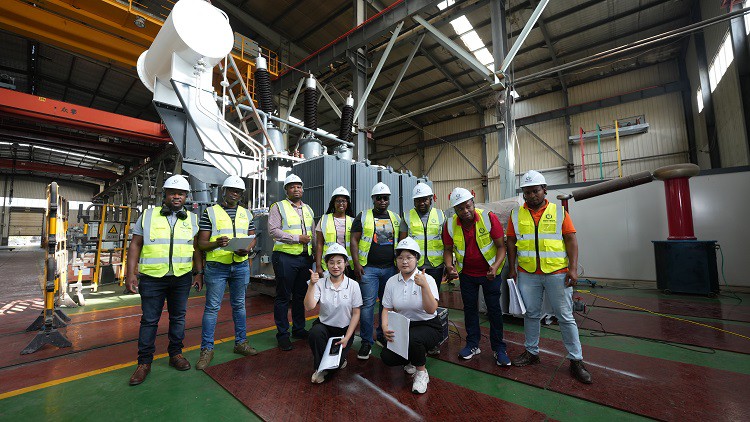
As the core of the railway traction system, the performance of a transformer directly impacts the safety, efficiency, and longevity of the entire operation. At SCOTECH, we engineer our traction transformers to not only meet but exceed the rigorous electrical, mechanical, and thermal challenges of modern rail transport. Our solutions directly address these challenges, turning them into your reliable advantage.
1. Robust Electrical Design
High Voltage & Current Handling: Advanced insulation systems ensure safety under high voltages (e.g., 25 kV AC). Optimized conductor cross-sections and winding structures provide strong overload and short-circuit withstand capabilities, enabling reliable power transmission in a compact size.
Harmonic Mitigation: Optimized magnetic circuits and design features reduce harmonics and eddy current losses from frequent speed changes.
Precise Impedance: Controlled short-circuit impedance limits fault currents while maintaining high power transfer efficiency.
2. Durable Mechanical Structure
Superior Vibration Resistance: Our mechanical designs are validated through Finite Element Analysis (FEA) to optimize dynamic response. We incorporate patented elastic clamping systems and vacuum casting technologies to effectively dampen shocks and vibrations, ensuring long-term integrity by preventing core loosening, winding deformation, and connection fatigue.
Lightweight & Compact Design: We achieve an optimal strength-to-weight ratio through the strategic selection of advanced materials, including high-permeability silicon steel and aluminum windings. Our expertise in modular and compact layouts, such as layered windings, minimizes footprint and axle load without compromising mechanical robustness or performance.
3. Efficient Thermal Management
Advanced Cooling Systems: We employ optimized cooling strategies, such as forced oil circulation with directed flow, which are precisely designed using Computational Fluid Dynamics (CFD) simulations. This ensures efficient heat extraction from windings and cores, maintaining stable operation under high power density.
Proactive Temperature Control & Monitoring: To extend service life, our thermal management focuses on achieving superior temperature uniformity to prevent localized hotspots. Embedded temperature sensors (PT100) enable real-time thermal monitoring, allowing for proactive system management and significantly slowing insulation aging.
V. How to Select the Right Transformer for Rail Transit Applications
1. Capacity: Calculate Accurately, Plan for Margin
Determine the base capacity from projected train density and vehicle power. Then, incorporate a 10-20% margin to handle peak loads and future capacity growth, avoiding both risky undersizing and inefficient oversizing.
2. Parameters: Ensure System Compatibility
Verify that the input and output voltages match grid and traction network standards. The impedance voltage must be carefully balanced to limit grid short-circuit currents while maintaining stable traction busbar voltage.
3. Performance: Prioritize Robustness and Reliability
The transformer must have a strong overload capacity to manage current surges from train acceleration, and a high short-circuit withstand capability to survive fault conditions without damage.
4. Efficiency: Optimize for Lifetime Cost
Select low-loss models to minimize long-term energy expenses. A higher initial investment in an efficient transformer typically yields significant savings over its operational lifetime.
VI. Frequently Asked Questions (FAQs)
Q: How do transformers affect the safety of railway systems?
A: Transformers are one of the core components of railway power supply systems. By providing stable and continuous electricity, they significantly reduce safety risks associated with rail transport. Their reliability directly impacts the safe operation of trains, ensuring that in the event of a malfunction, the system can quickly adjust to minimize the impact on train operations. Through efficient power management, transformers can prevent mechanical failures and accidents caused by power fluctuations, thus providing safety guarantees for passengers and operators.
Q: How can transformers operate normally under extreme conditions?
A: Selecting transformers with good weather resistance and conducting regular maintenance and inspections are key to ensuring stable operation under extreme environmental conditions. Modern transformers often use high-performance materials that can withstand extreme temperatures, humidity, and corrosive environments. Additionally, establishing a solid monitoring system to track the operational status of transformers in real time can help identify and resolve issues before they arise, enhancing safety.
Q: How is the performance of transformers evaluated in rail transport?
A: Rail transport authorities typically use several indicators to assess transformer performance, including power ratings, efficiency, load capacity, overload capability, and cooling efficiency. By testing and verifying their performance in actual operations, alongside using lifespan and maintenance records, a comprehensive assessment of a transformer's quality can be made, leading to the development of appropriate monitoring and maintenance strategies.
Q: What does the regular maintenance of transformers include?
A: Regular maintenance of transformers typically includes: 1) Regularly checking insulation levels to prevent electrical failures; 2) Monitoring temperature and load to ensure operation within safe limits; 3) Checking oil levels and quality (for oil-immersed transformers) to ensure cooling effectiveness; 4) Periodically cleaning the outer shell and heat dissipation components to prevent dust and dirt from affecting cooling performance; 5) Listening for any unusual noises to ensure mechanical components are functioning correctly. These maintenance activities help extend the lifespan of transformers and ensure system reliability.
Q: How to manage the environmental impact of transformers?
A: To reduce the environmental impact of transformers, manufacturers should prioritize the use of eco-friendly materials and advanced designs and technologies to lower energy consumption and prevent waste generation. Additionally, proper installation and spatial design of transformers are crucial to help prevent potential leaks and contamination. During operation, regular monitoring and maintenance can ensure that the technical indicators of transformers meet environmental protection requirements, minimizing their negative impact on the environment.
Q: How to handle aging and failure issues with transformers?
A: As transformers are used over time, they may experience signs of aging or failure. For aging transformers, they should be gradually replaced based on operational records and performance evaluations to protect the overall system's stability. If a transformer malfunction is detected, immediate troubleshooting should be conducted to identify the cause and perform repairs or replacements, ensuring that power supply is not affected. Establishing a comprehensive asset management and monitoring system can also effectively reduce the failure rate of transformers.
By addressing these common questions, the industry can gain a deeper understanding of the importance of transformers in rail transport and the related considerations. This not only helps ensure reliable system operations but also contributes to future technological transformations and the goals of green travel.

Discover the power of innovation with SCOTECH!
Contact us today to learn more about our reliable and efficient solutions.